September’s birthstone, the sapphire, is one of the “Big Four” - the four most sought-after, valued and prized gemstones in the world. Its extravagant blue hues make for a gemstone like no other.

One way this stone was formed occurred millions of years ago in the Earth’s crust, when metamorphic rocks were exposed to extreme pressure and heat. Over time, these rocks became corundum. Sapphires are a variety of corundum, which is a mineral.

Sapphires have made their mark throughout history with Greek mythological figures, explorers, royalty and more. Along with a famous background, September’s birthstone comes in a variety of colors and qualities that sparkle in rings, necklaces, earrings and more! This gem has varying symbolism behind it, which originates from across the seas.
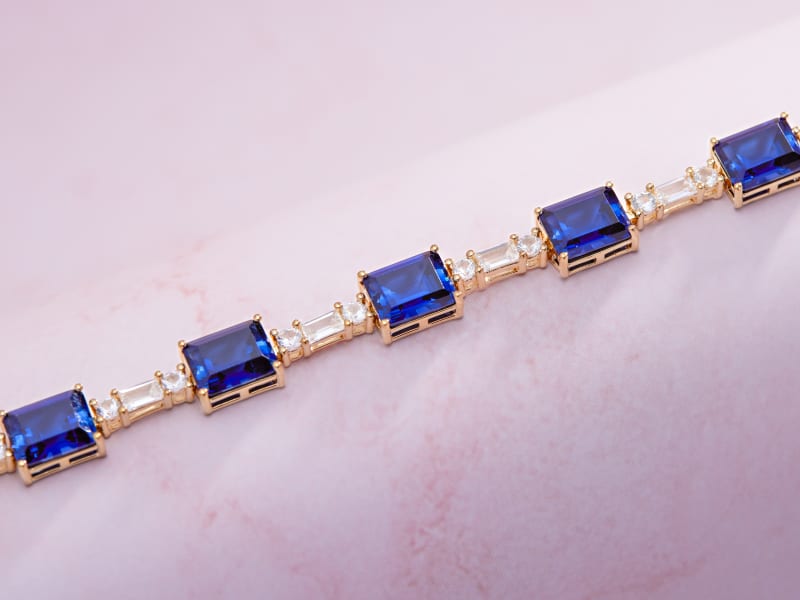
Blue lab created sapphire yellow gold bracelet
Featuring: Sapphire Jewelry by JTV

September Birthstone: Sapphire's Famous History

Throughout history, some prominent figures such as Helen of Troy, King Solomon, Marco Polo and Charlemagne supposedly all sported September’s birthstone. The word 'sapphire' comes from the Latin word 'sapphirus', which highlights its etymological roots and long-standing recognition in classical languages. 

For a more modern celebrity, you cannot forget about Princess Diana, who wore a sapphire engagement ring that was given to her by Prince Charles. The famous ring would later be passed down to her daughter-in-law, Kate Middleton. With a deep blue sapphire at the center surrounded by diamonds and set in a white gold band, this treasure is a sight for sore eyes.

During the Middle Ages, sapphires were believed to symbolize heaven and divine favor, embodying spiritual protection and representing a connection to the divine.

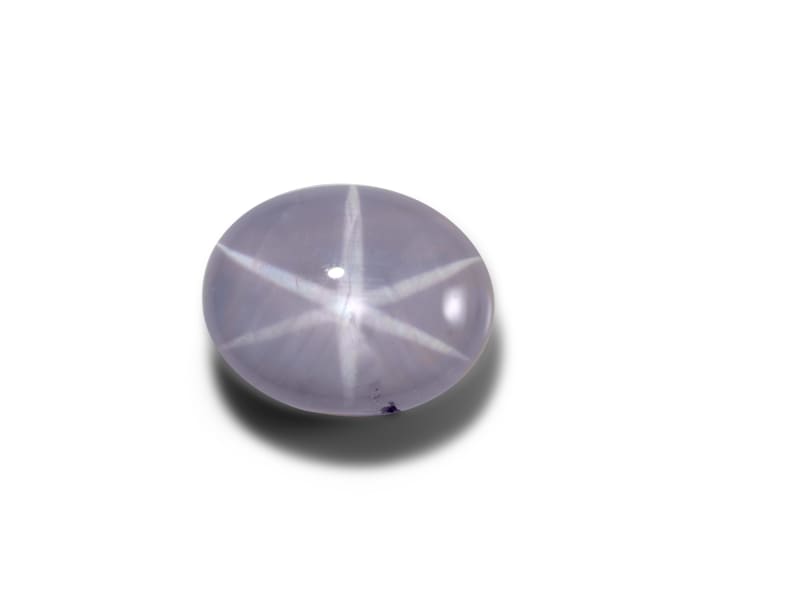
Aside from the famous people who have been associated with sapphire, this gemstone has a few stars of its own. The Star of India, Star of Adam and Star of Bombay are all sapphires with a distinct star shape on them. This effect is called asterism, which is a reflection effect that seems to show two or more bands of light intersecting across the surface of a gem.

Star sapphire that reflects the shape of a star on its surface
Featuring: Sri Lankan Star Sapphire

The Colors & Properties of September’s Birthstone

Sapphire Coloring

If you love sapphires but aren't drawn to the classic deep blue, you're in for a treat. While rich blue is the most iconic shade, sapphires actually come in a dazzling spectrum of colors—fiery orange, vivid lime green, bold hot pink, regal purple, and even earthy brown and smoky purplish tones. These stunning variations are all thanks to trace elements like iron, titanium, and chromium mixing into the crystal structure.

When most people hear “sapphire,” they picture the traditional blue gem. But all those other eye-catching shades? They fall under the category of color.”

The only color you won’t find in a sapphire is red—because once it turns red, it’s classified as a ruby, which shares the same mineral base but is distinct in both name and appearance.
The presence and combination of elements in the gem determine its final color. For instance, iron alone can create a purplish hue, while iron combined with chromium gives rise to a bright orange tone.

Gemologists assess sapphire colors using three key factors: hue (the basic color), tone (how light or dark it is), and saturation (the intensity or vividness). These characteristics play a big role in a sapphire’s beauty, quality, and value.

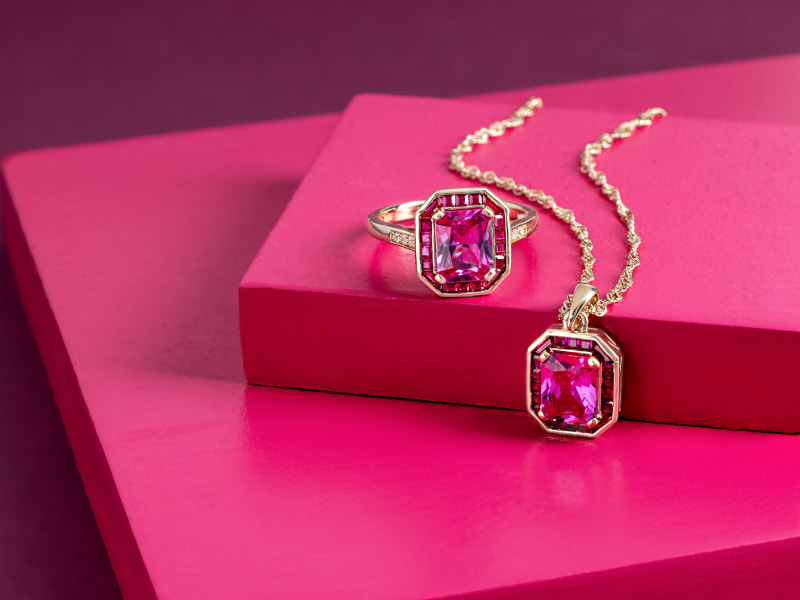
A matching set of a pink sapphire necklace and ring in yellow gold
Featuring: Sapphire Jewelry by JTV

Properties of a Sapphire

The gemstone itself can withstand a lot thanks to scoring a nine on the Mohs Hardness Scale. Sapphires are highly resistant to scratches and everyday wear, making them an excellent choice for jewelry that endures daily use. Sapphires take second place right behind diamonds, which makes it pretty durable yet still breathtaking for September birthstone jewelry.

The birthstone of September can be found in all corners of the world, resulting in different qualities and sizes. For instance, Australia yields some of the largest sapphires, while Sri Lanka’s sapphires are known to be of the highest quality. Some other locations include: Thailand, China, Madagascar, Nigeria, Cambodia and Tanzania. With a growing number of sources for sapphire, that means a variety to choose from, making it easier to shop for the perfect piece.

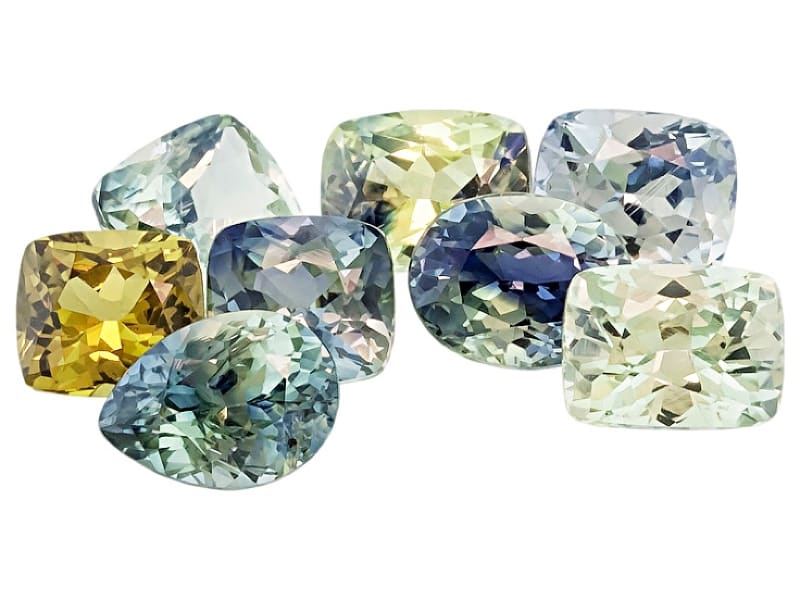
Multiple sapphire gemstones in various colors
Featuring: Sapphires in blue, yellow and green

Types of Sapphires

Sapphires are a remarkable variety of the mineral corundum, celebrated for their stunning range of colors and exceptional hardness, ranking 9 on the Mohs scale, just behind diamonds. While blue sapphires are the most iconic and sought-after, especially in engagement rings and sapphire jewelry, these gemstones are available in a dazzling spectrum of hues. From vibrant pink and fiery orange sapphires to sunny yellow, lush green, and even colorless stones, there’s a sapphire to suit every style and personality.

Beyond the classic blue, fancy sapphires showcase the versatility of this gemstone. Orange sapphires, for example, are prized for their warm, sunset-like glow, while green sapphires offer a unique, earthy elegance.

Some sapphires, known as parti sapphires, display multiple colors within a single stone, creating a mesmerizing effect.

Star sapphires are another fascinating type, featuring a star-like pattern that dances across the surface due to special inclusions within the crystal.

Whether set in classic solitaires or expertly crafted, multi-stone designs, sapphires bring a touch of brilliance and durability to any jewelry collection. With so many colors and styles to choose from, sapphire jewelry offers endless possibilities for self-expression and celebration.

The Meanings & Symbolism Behind September’s Birthstone

The sapphire has more to offer than what meets the eye. Taking a deeper dive into the world of September’s birthstone, there are multiple symbols and beliefs about this mineral. Sapphire symbolizes faithfulness, truth and sincerity while also believed to bring wisdom, joy and peace to its wearer. 

The owner of a sapphire can also celebrate in the belief that this gem is traditionally thought to protect its wearers from harm, jealousy and vices. September’s birthstone has a symbolic role in multiple religions such as Christianity, Islam and Buddhism. Charlemagne, or Charles the Great, apparently wore a sapphire talisman containing a piece of the cross that Jesus was crucified upon.

Across the ocean, India has its own set of beliefs about sapphire’s significance. If this gemstone was worn as a pendant, the owner was thought to be protected from evil spirits. On the other hand, a sapphire could offer medicinal benefits by being placed in water to create an elixir. 

In some cultures, if someone is dealing with a troubling circumstance, sapphires supposedly help one to overcome these obstacles. 

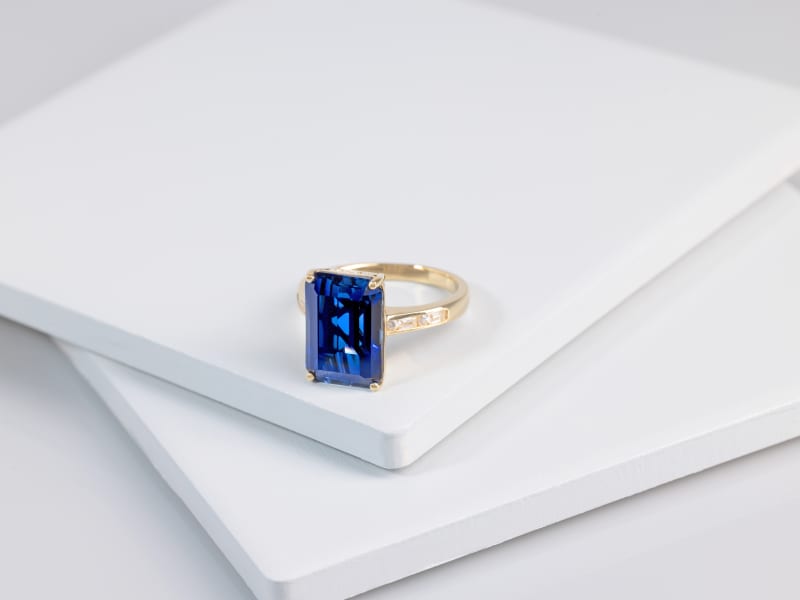
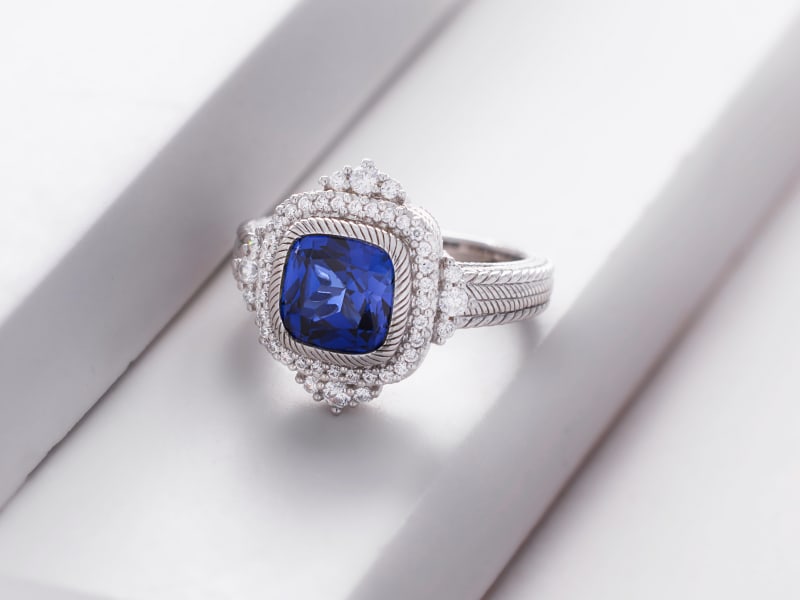
Blue lab created sapphire ring set in yellow gold
Featuring: Blue Sapphire Ring by JTV

Sapphires in Jewelry

You'll often find a sapphire in engagement rings, but that is not the only piece of jewelry a sapphire can adorn. With its rainbow of shades, sapphires look great in sterling silver, yellow gold or rhodium over sterling silver.

You can even match the shade of the sapphire to the time of year. Choose a synthetic pink sapphire ring set in 10-carat yellow gold to fit into summer. A ribbon of color-changing stones in a September birthstone bracelet set in white cubic zirconia rhodium over silver matches the pastels of spring. This gemstone is flexible with your wardrobe and lifestyle. Whether you are running errands all day or have a dinner to attend, sapphire jewelry complements life’s occasions.

Sapphire jewelry also makes a thoughtful gift for September birthdays and special occasions. For example, September earrings or necklaces make for a thoughtful and elegant gift. Personalization options like engraving allow you to add heartfelt messages or unique designs, making sapphire jewelry even more meaningful for the recipient.

Its versatility makes sapphire a great gemstone choice to place in jewelry. There is an abundance of shades to select from and you will not have to worry about scratching the surface. Even if you’re not a September baby, give this gorgeous gemstone a shot. You’ll be at no loss for a variety of sapphire jewelry styles at JTV.

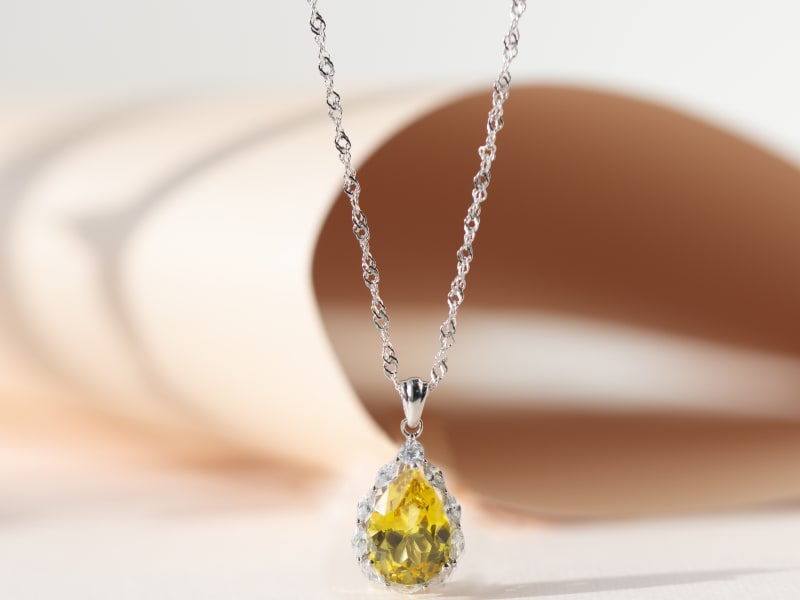
Lab created yellow sapphire and white cubic zirconia pendant with chain
Featuring: Yellow Sapphire Necklace by JTV

Large Sapphires: Legends and Record Holders

Throughout history, some sapphires have achieved legendary status thanks to their impressive size, breathtaking color, and association with royalty. Among the most famous is the Logan Sapphire, a magnificent 423-carat blue sapphire that dazzles visitors at the National Museum of Natural History in Washington, D.C. Equally awe-inspiring is the Star of Adam, a 1,404-carat star sapphire renowned for its clarity and the striking star pattern that graces its surface. The Star of India, weighing in at 563 carats, is another celebrated gemstone, treasured for its size and unique asterism.

Of course, not all legendary sapphires are museum pieces. Princess Diana’s engagement ring, featuring a large blue sapphire surrounded by diamonds, remains one of the most iconic and beloved pieces of sapphire jewelry ever created. These record-holding stones are more than just beautiful—they are symbols of quality, clarity, and the enduring allure of sapphires. Their stories continue to inspire collectors, jewelry lovers, and anyone captivated by the magic of these treasured gemstones.

How Sapphires Are Made: Natural and Lab-Grown Gems

The journey of a sapphire begins deep within the earth, where the mineral corundum forms under intense heat and pressure. Natural sapphires are formed when aluminum oxide combines with trace elements, resulting in the vibrant colors that make these gemstones so desirable. Over millions of years, these crystals are brought to the surface, where they are discovered in alluvial deposits or mined from primary sources.

In addition to natural sapphires, today’s technology allows us to create lab-grown sapphires that are virtually identical in composition and appearance. Using advanced methods like the Verneuil process (flame fusion), the Czochralski process, and the Kyropoulos method, scientists can replicate the natural conditions that produce sapphires. These lab-created gems offer the same stunning colors and quality as their natural counterparts, making sapphire jewelry more accessible and sustainable. Whether you prefer the rarity of a natural blue sapphire or the affordability of a lab-grown stone in other colors, there’s a perfect sapphire for every jewelry lover.

Caring for Your Sapphire: Tips for Longevity and Brilliance

Sapphire jewelry is not only beautiful but also built to last, thanks to the gemstone’s impressive resistance to scratches and wear. To keep your sapphires looking stunning for years to come, a little care goes a long way.

●    Avoid exposing your sapphire rings, pendants, or earrings to extreme temperatures.
●    For regular cleaning, simply use mild soap and warm water, gently scrubbing with a soft brush to restore your sapphire’s brilliance.
●    Do not clean your sapphires with harsh chemicals, such as bleach or strong cleaning agents, as these can damage the stone or its setting.
●    Remove your jewelry before engaging in activities that might cause impact or abrasion.
●    Always store your sapphire jewelry separately from other gemstones to prevent scratches.

With these simple steps, your sapphire will remain a treasured symbol of wisdom, royalty, and love—perfect for celebrating September birthdays or gifting to loved ones on any special occasion. With proper care, your sapphire jewelry will continue to shine as a mark of elegance and enduring beauty.

Frequently Asked Questions About the Birthstone of September

Where is sapphire found?

September's birthstone can be discovered across the globe. Some of the major sources of sapphire come from: Australia, Burma, Cambodia, Chin, India, Kenya, Madagascar, Nigeria, Sri Lanka, Tanzania, Thailand and Vietnam. 

What color sapphire is most valuable?

Even though sapphires come in a range of colors, blue sapphires are deemed to be the most valuable. 

Is sapphire an expensive gem?

In general, sapphires are on the more expensive side due to their velvety, deep blues. The prices also depend on the quality and size of the gemstone.

Are sapphires symbolic?

Sapphires are thought to symbolize truth, faithfulness, sincerity, wisdom, power and strength. 

Extra Resources on September’s Birthstone

Natalie Neal

Natalie wasn't born in September but really enjoyed researching, learning and writing about sapphire. Fun fact: this is the first blog that Natalie wrote for JTV!

Natalie Neal
Author
Icon to open chat widget Icon to open mobile chat widget