

Never Miss a Moment or Deal
Catch up on your favorite shows and explore recently aired products when it’s convenient for you!
Catch up on your favorite shows and explore recently aired products when it’s convenient for you!
New Month, New Jewelry
These are the top picks for May!

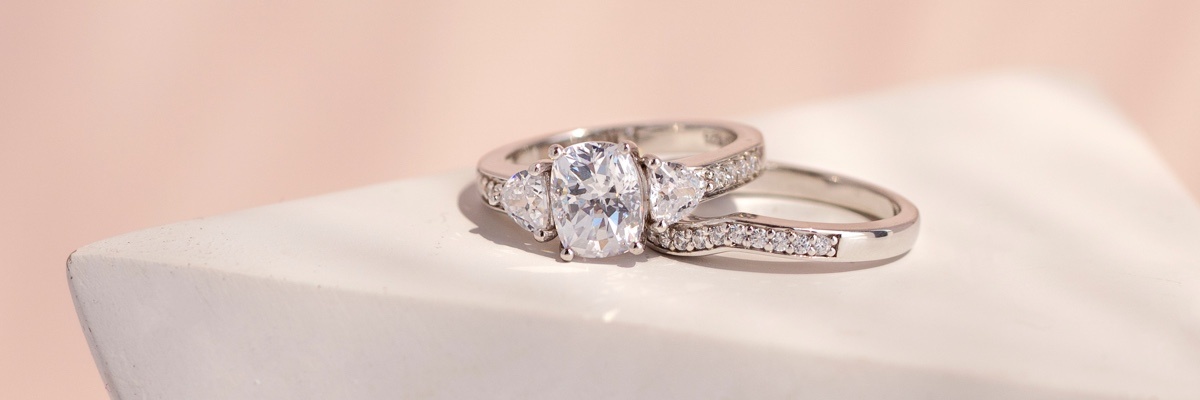
Diamonds in Silver
Sparkle in stunning silver styles.
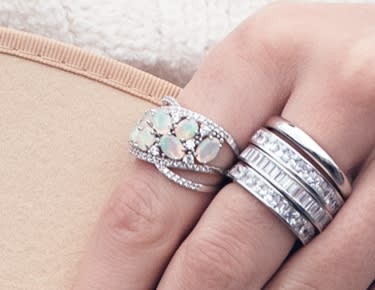
Colorful Gemstone Jewelry
Silver styles are 25% off and more. Price as marked.
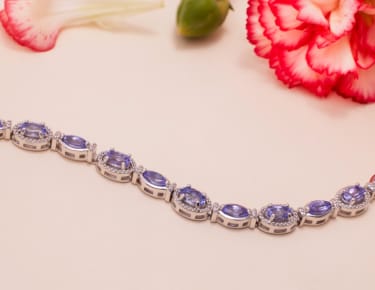
Online Exclusives
Discover thousands of jewelry styles and more you can only find right here on JTV.com.
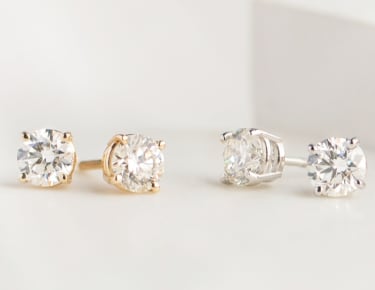
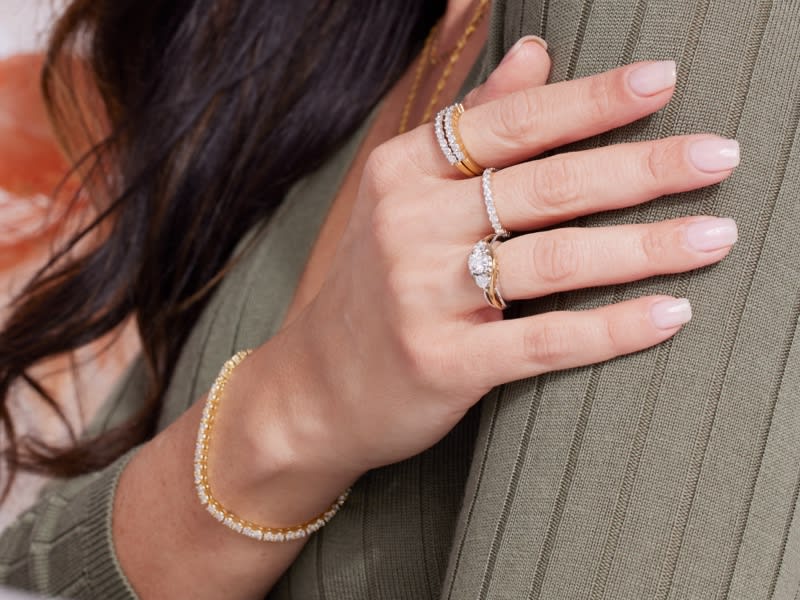
2024 Spring Trends
Spring is here and so are the trends that will launch you into next year's events with style.
Shop TrendsJTVextra™ gives you instant access to new jewelry styles and
streaming-only deals. Tune in to shop and get social with us!

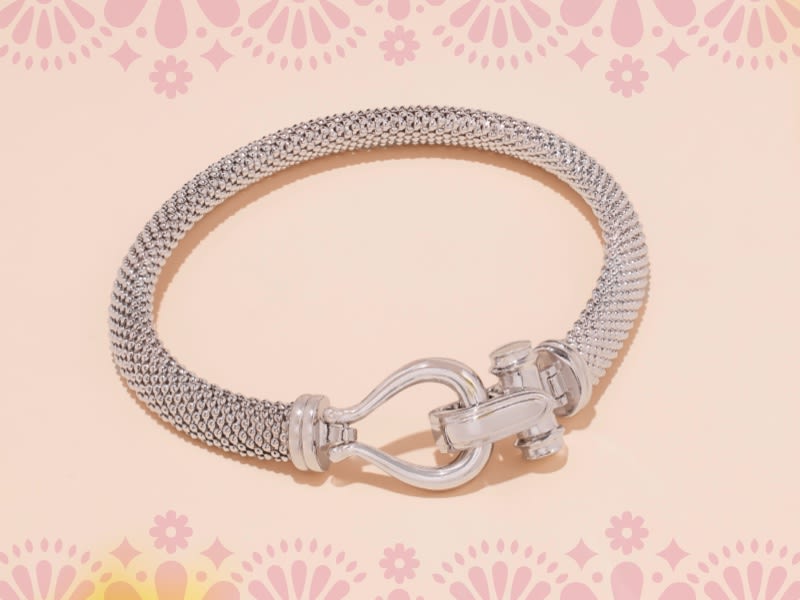
Shiny & Sleek
From statement chains, to hoops and bangles, glistening silver is the final touch to a modern spring look.

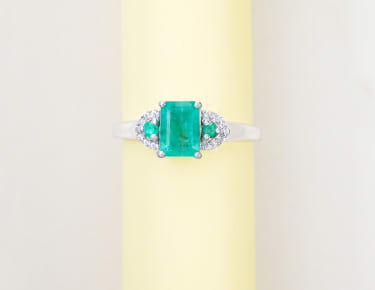
May's Birthstone: Emerald
This precious gemstone is thought to bring wisdom, love and friendship to its wearers.
Clearance Silver Jewelry
Enjoy stunning silver savings!
Earn 1%
in Brilliant Cash when you place an order using your JTV Account
Earn 2%
in Brilliant Cash when you place an order using your JTV Preferred Account Credit Card*
* Subject to credit approval. See JTV Rewards Program Terms and Conditions for details on earning and redeeming rewards.
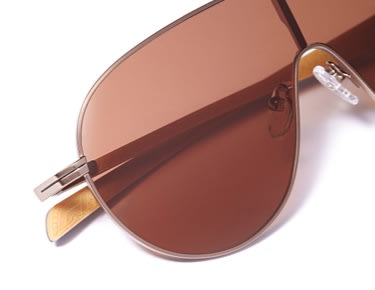
Online Exclusive: SUNGLASSES
Prices starting under $30!
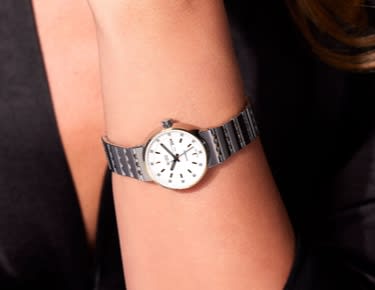
Designer Watches
Find thousands of gorgeous watches.
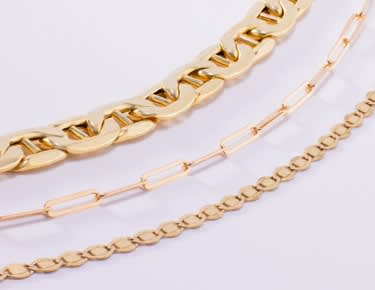
May is Gold Month
Find golden deals up to 50% off all month long!

JTV (Jewelry Television) is your premier shopping destination for jewelry, featuring rings, earrings, necklaces, bracelets and watches you love at the prices you love even more. From simple and subtle styles to bold and beautiful looks, with everything from classic fashion to the latest jewelry trends. JTV has exclusive jewelry brands you will love, such as Bella Luce Jewelry and Southwest Style Jewelry. JTV also features deep discounts on clearance jewelry you can find online.
Celebrate yourself everyday with rings that make you feel beautiful. From diamond rings to moissanite rings, opal rings, morganite rings and amethyst rings, you have your pick with JTV's selection of stunning jewelry.
Whether you prefer dangle earrings, gold hoop earrings or stud earrings, JTV has elegant and fashionable earrings to complete your wardrobe. If you're going out or need something for everyday wear, JTV has the earrings and earring sets you will love!
JTV is also your source for exotic and unique gemstones for your gem collection, offering loose gems at prices you can't miss. From rubies and emeralds to sapphires and beyond, discover great gemstone discounts on your favorite gems!