
White Gold Necklace
White gold is not a compromise. It is a deliberate choice, and the women who choose it tend to know exactly why. The cool, precise surface of a rhodium-plated white gold chain reads differently from yellow gold on the neckline. Not warmer or cooler in the sentimental sense, but visually cleaner, more architectural, better suited to certain gemstones and certain wardrobes. A white gold necklace earns its place not by being fashionable but by being right.
At JTV, we know that this distinction matters because most buyers approach white gold as a yellow gold alternative, when it is more accurately a different metal category with its own best-use cases. Moissanite performs differently in white gold than it does in yellow. Sapphire reads differently. Even a plain chain changes character depending on the base metal. Understanding those differences is what separates a purchase you are confident about from one you second-guess later.
What this guide does is make that understanding practical. It covers the metallurgy worth knowing, the styling contexts where white gold performs best, the stone pairings that belong in a white gold setting, and the specific pieces from our collection that demonstrate each principle clearly.
Shop White Gold Necklaces
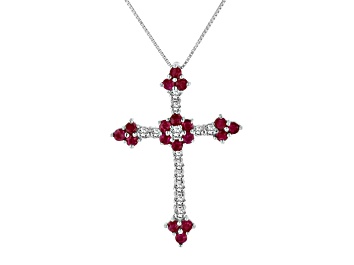
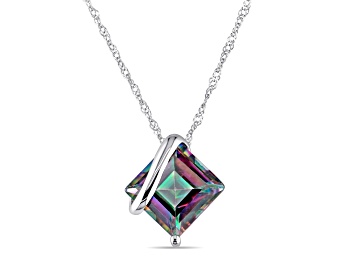
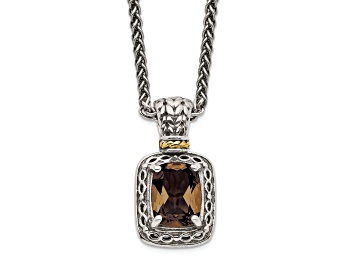
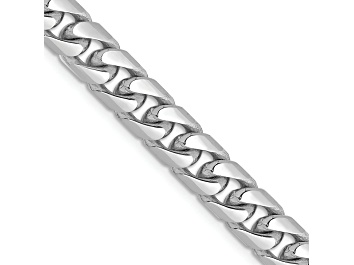

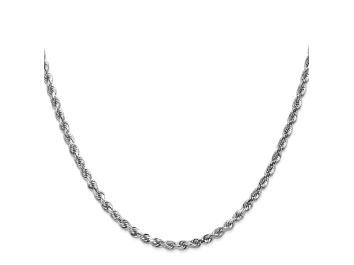
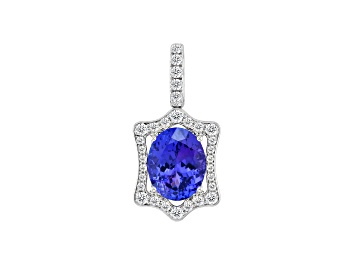
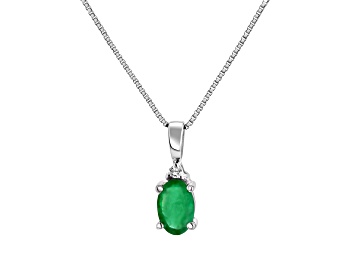

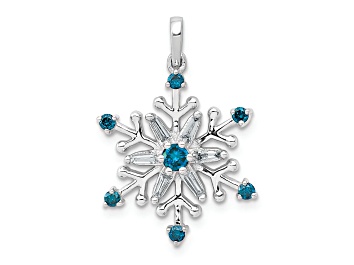
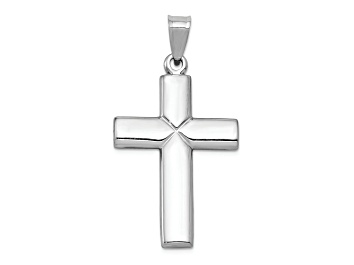
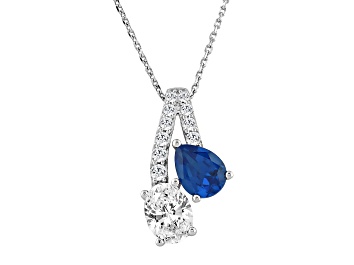
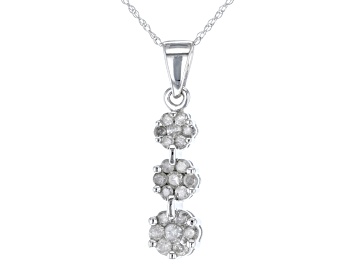
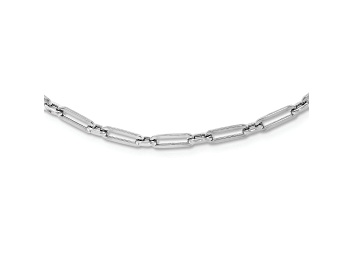
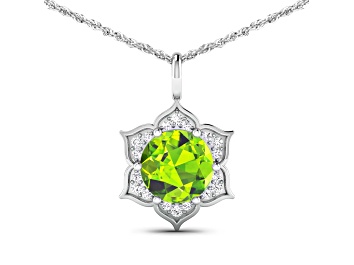
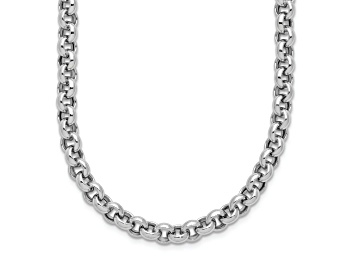
Check Out Our Blog


What White Gold Actually Is And Why It Matters
White gold is not simply pale yellow gold. The way it is made, the way it wears, and the way it reads on the neckline are all distinct from its yellow counterpart. These details matter before you buy.
The Difference Between White Gold And Yellow Gold
Yellow gold in its pure form is naturally warm and rich in color. White gold starts with the same base metal but is alloyed with white metals such as palladium or nickel, which shift the color toward a neutral tone. The resulting alloy is then plated with rhodium, giving white gold its characteristic bright white finish. The two metals share the same karat system and base value, but they look and feel entirely different on the neckline.
How Rhodium Plating Creates The Bright White Finish
Rhodium plating is what gives a white gold necklace its polished, mirror-like surface. The plating creates a surface harder than the gold alloy beneath, helping the piece resist scratching in everyday wear. Over time, rhodium plating can wear in areas of high contact, which is a normal characteristic of white gold rather than a flaw. Replating is a standard jewelry service that restores the original finish.
Karat Differences In White Gold Necklaces
10K white gold contains 41.7% pure gold and is the most durable and price-accessible option. 14K white gold contains 58.3% pure gold and is the most widely worn karat across our white gold necklace collection. For a necklace intended for daily wear, 14K white gold strikes the most practical balance across necklaces, rings, earrings, and bracelets alike.
Why White Gold Has Become A Modern Staple
White gold offers the bright, silvery look often associated with platinum, and pairs naturally with the cooler-toned gemstones that have become increasingly sought after in contemporary jewelry. It reads as modern and refined, and suits a wider range of skin tones and wardrobe colors than many buyers expect before they try it.
The Looks And Occasions White Gold Serves Best
White gold is not a universal substitute for yellow gold. It has specific contexts where it performs better, and understanding those makes it easier to decide whether it is the right metal for the piece you are buying.
Cool-toned Wardrobes And White Metal
A wardrobe that leans toward grey, navy, white, black, and cool-toned neutrals is a natural match for white gold. The metal reads with the same cool clarity as the clothing beneath it. For the woman whose closet skews toward these tones, a necklace in white gold tends to sit more naturally than yellow gold.
Formal Occasions Where White Gold Reads Most Polished
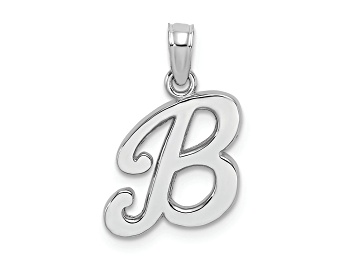
White gold has a particular affinity with formal dressing. Against a black tie look or a clean white dress, a rhodium-plated white gold pendant catches light with a precision that yellow gold does not replicate. This is why white gold pendant necklaces remain a consistent choice for occasions where the jewelry is meant to be a considered decision.
Layering White Gold With Other Metals
White gold layers well with silver and platinum-toned pieces because the metal family is consistent. A white gold chain alongside a sterling silver station necklace at a different length reads as intentional rather than mismatched. Layering with yellow gold also works, but functions best when one metal clearly dominates.
Day-to-night Versatility Of A White Gold Chain
A plain white gold chain in 14K at a standard collarbone length is one of the most versatile pieces in fine jewelry. It reads cleanly against a work outfit, transitions without adjustment to an evening look, and does not compete with statement earrings the way a more decorative piece might.
Choosing The Right Stone For A White Gold Necklace
White gold sets the stage. The stone determines the performance. These four considerations cover the most important decisions when pairing a stone with a white gold setting.
- Moissanite In White Gold: Moissanite has a fire rating 2.4 times greater than diamond, dispersing light into color more intensely than any diamond equivalent. In a white gold setting, the cool neutrality of the metal lets the stone's optical performance dominate. Our Moissanite Fire pendants in 14K white gold are built around this pairing. Our Moissanite vs. Lab Diamond guide covers the key differences if you are deciding between stone types.
- Lab-Grown Diamonds In White Gold: A lab-grown diamond in white gold is the closest visual match to the classic fine jewelry aesthetic. The white gold setting amplifies its colorless brilliance without any interference. Our Lab-Grown Diamonds Explained guide covers what lab-grown diamonds are and why they have become a meaningful fine jewelry choice.
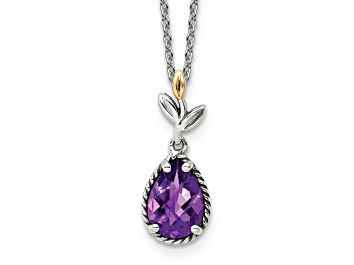
- Cool-Toned Stones That Suit White Metal: Sapphire, aquamarine, and white topaz all share a cool visual register that aligns naturally with white gold. The metal frames the stone rather than competing with it, creating a cohesive and considered look.
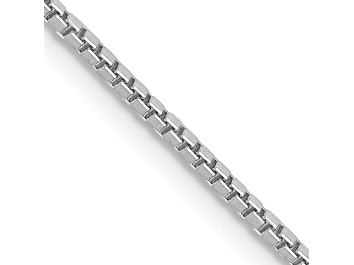
- The Plain White Gold Chain: Sometimes the right answer is no stone at all. A clean 14K white gold chain worn alone is a complete statement. The surface catches light, the metal reads as refined, and nothing competes for attention.
Whichever direction you choose, white gold gives the stone or the metal itself the best possible context to perform in.
Frequently Asked Questions About Our White Gold Necklaces
White gold is gold alloyed with white metals and plated with rhodium. Platinum is a naturally white metal and significantly denser.
Yes, rhodium plating can wear gradually with daily contact. Replating is a standard jewelry service that restores the finish.
Yes, we carry Moissanite Fire pendants in 14K white gold, available with a variety of chain styles.
White gold's bright, cool tone brings out the colorless look of both stones, so the main difference you'll notice is the type of sparkle. Against white metal, moissanite's colorful flashes of fire tend to stand out, while a lab-grown diamond shows a crisper, white brilliance. Both are durable enough for everyday wear in white gold rings, earrings, pendants, and bracelets, so the choice often comes down to which style of sparkle you prefer.
Yes, our Prazana Lab-Grown Diamond collection includes pendant necklaces in white gold settings.
Yes, mixing white and yellow gold works well when one metal tone clearly dominates, and the other plays a supporting role.


